Witchcraft supplies & wicca supplies online from one of the USA's BEST pagan Witchcraft Store Online!! RATED in the top 10 Witchcraft Stores online for our exclusive Witchcraft Supplies
Full Moon Witchcraft and Wicca Blog
Full Moon Magic in Witchcraft, Paganism, and Ceremonial Magic BLOG
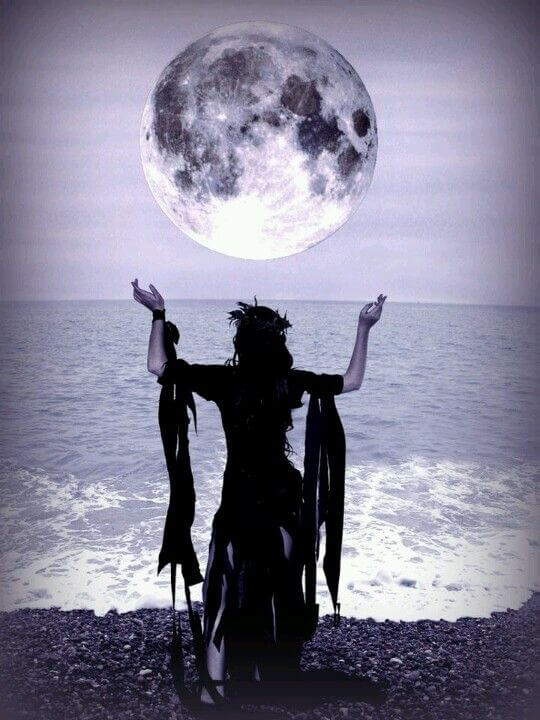
Blog Introduction
The full moon has long been regarded in traditional witchcraft and wicca and paganism in general as one of the most powerful and mystical times within magical, spiritual, and religious traditions. In traditional witchcraft, paganism, and ceremonial magic, the full moon is celebrated as a period of heightened energy/ illumination/ and completion. It represents the peak of the lunar cycle, embodying fullness, power, and revelation. Ritual magick conducted during this time are often aimed at manifesting, releasing obstacles, and connecting with divine or cosmic forces.
The Full Moon in Traditional Witchcraft and Wicca
In witchcraft the full moon is seen as a moment when magical energy is at its strongest. Witches often refer to rituals held during this phase as esbats, in contrast to sabbats which honor the solar cycle and seasonal festivals. A typical witch's full moon ritual or an esbat provides witches and wiccans with a time to commune with the Goddess and other pagan deities, perform divination, cast spells, and recharging ritual tools, crystals, and talismans. Full moon witchcraft practices include:
The Full Moon in Paganism
Within pagan, Druidry and heathen traditions, the full moon is deeply symbolic of cycles including fertility and natural rhythms. Many pagans view the full moon as a time of balance between light and darkness, life and death, or growth and decline. Pagans often associate the full moon with goddesses such as Artemis, Selene, Hecate, or Diana, and with masculine deities who embody solar or lunar power in harmony. Pagan celebrations of the full moon often include:
The Full Moon in Ceremonial Magic And the High Occult
Ceremonial magicians also recognize the full moon as a period of heightened energy, but their approach often emphasizes structure, ritual precision, and alignment with planetary correspondences. In ceremonial magic the full moon is believed to amplify magical workings, making it an ideal time for invocations, consecrations, and operations that require psychic or astral strength. Key practices include:
- Thaumaturgy – Ritual Magick to manifest desires, spell casting and spellwork.
Symbolism and Ritual Pagan Magick Themes of the Full Moon
Across traditional witchcraft, wicca, paganism, and ceremonial magic and the high occult, the full moon embodies certain universal themes:
Blog Conclusion
The full moon holds a central place in witchcraft, paganism, and ceremonial magic as a time of power, clarity, and transformation. For witches, it is a sacred esbat of spellwork and communion with the Goddess. For pagans, it represents cosmic balance, fertility, and celebration of life cycles. For ceremonial magicians, it offers a precise alignment with lunar forces that can be directed toward both spiritual and practical goals. No matter if you are a practicing witch, a pagan, or a ceremonial magician, the full moon is a radiant symbol of fullness, illumination, and magical potency, reminding all witches of the ever-turning cycles of nature and spirit.
Here are some great items to try from our Witchcraft supplies online store for full moon magick and also wicca supplies:
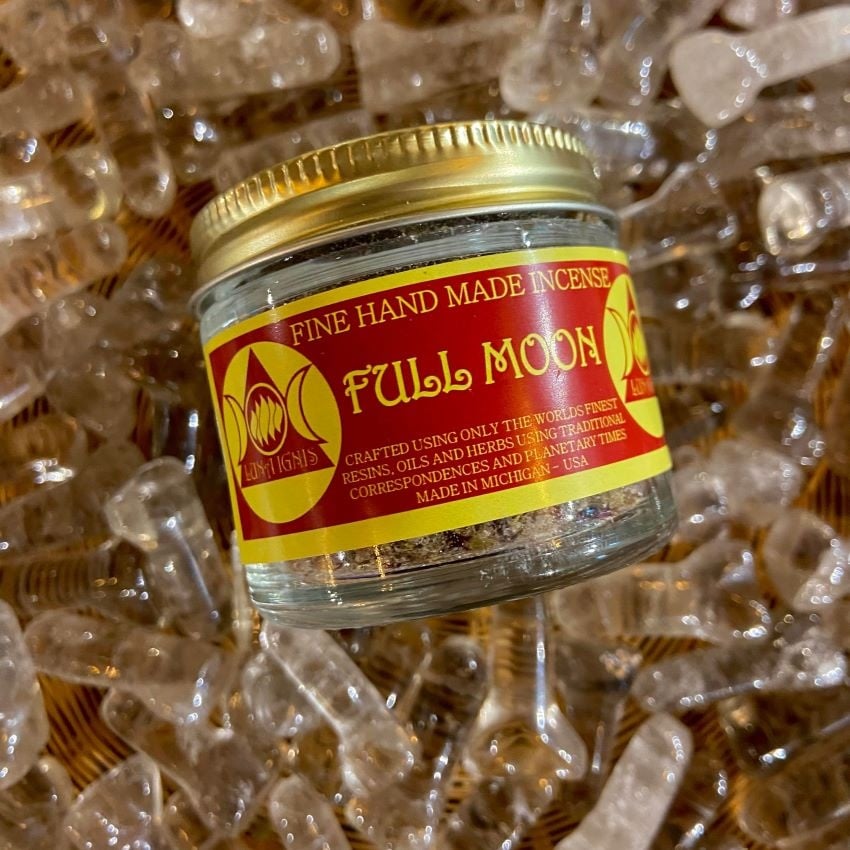
Our award winning Luna Ignis Ritual Witchcraft Incense : Luna Ignis Full Moon Incense
Our Full Moon Ritual Witchcraft Anointing Oil : Luna Ignis Full Moon Oil
The Popular Astro Magick range of spellwork candles : Astro Magic Full Moon
Powered by Lightspeed
Display prices in:USD
